
VOST GROUP
Modern minimalist villa at dusk with a gated boundary and discreet perimeter lighting

Residential Security · VOST Insights

How to Protect Your Home From Burglary:
10 Practical Security Tips

Can you really prevent a burglary? No system guarantees that a property will never be targeted. But the right strategy makes a home significantly harder to approach, enter and exploit.

Security & ProtectionVOST Group · Security & Risk Team9 min read

The starting point

Most homeowners think about locks, alarms and cameras. Professional residential security starts earlier — with four questions about the property itself.

  • What can be observed?
  • What can be accessed?
  • What looks predictable?
  • What happens when nobody is home?
  • What happens if one layer fails?

Security is a system, not a device.

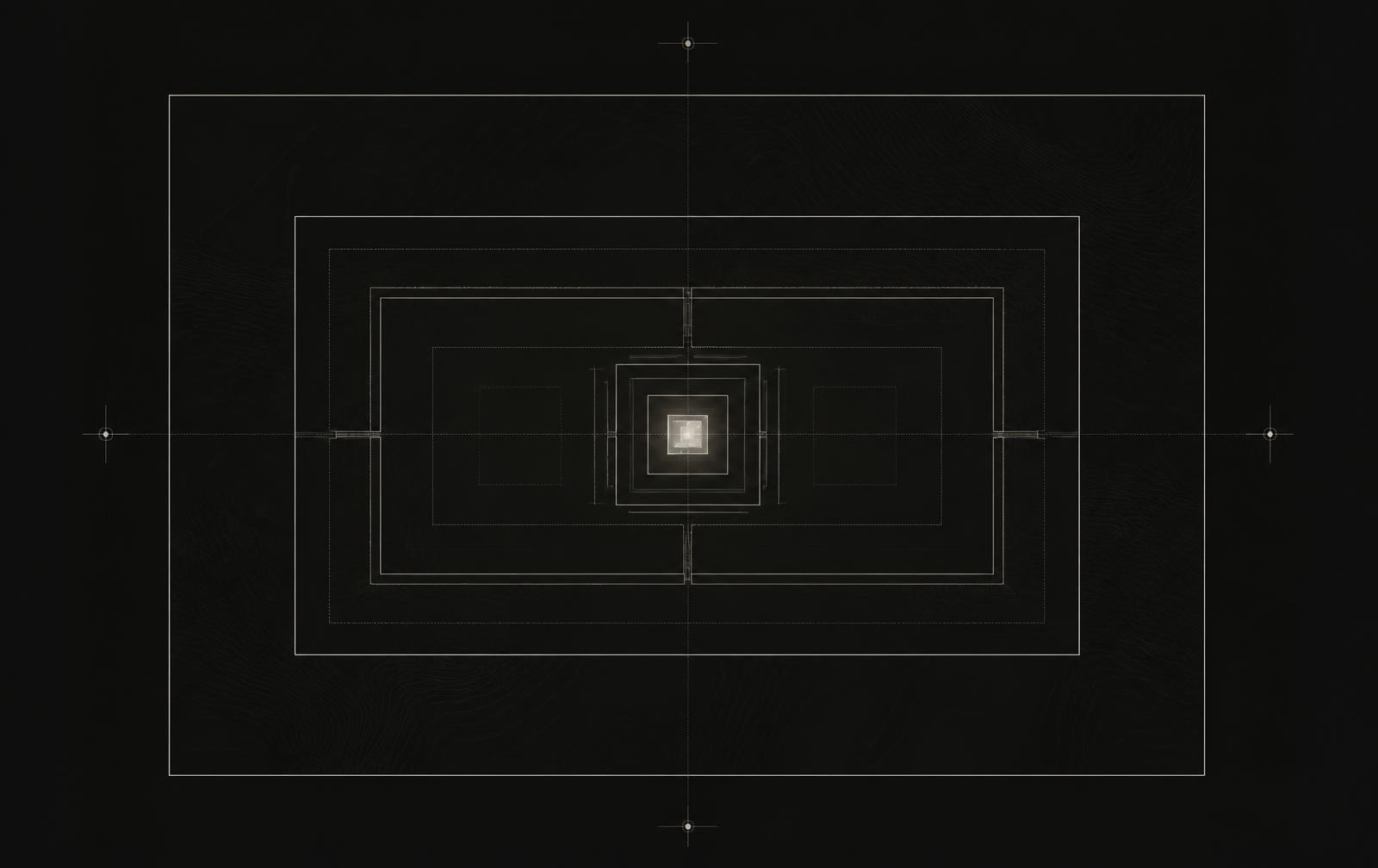
Abstract diagram of nested residential security perimeters around an illuminated core

The residential security model

Assessment. Deterrence. Detection. Delay. Response. Discipline.

  1. 01

    ASSESS

    Understand the property, the people and the environment.

  2. 02

    DETER

    Make the approach unattractive and unpredictable.

  3. 03

    DETECT

    Know early, and know accurately.

  4. 04

    DELAY

    Buy time with physical resistance.

  5. 05

    RESPOND

    Convert an alert into a decision and an action.

  6. 06

    REVIEW

    Re-test the design as the household evolves.

The framework

10 security tips that actually matter

01

Start With a Security Assessment — Not an Alarm

Before buying equipment, understand the property. Access points, visibility, boundaries, gates, garages, terraces, lighting, delivery access, service personnel and the hours when nobody is home all shape the real risk picture.

VOST insightDo not ask what equipment the house needs. Ask what could go wrong.
02

Remove the Easy Opportunities

Many of the strongest improvements cost nothing. Ladders and tools left outside, unsecured secondary doors, concealment close to entrances, valuables visible through windows, uncontrolled garages — each one lowers the effort required.

VOST insightReduce opportunity before you rely on technology.

03

Secure Every Access Point — Not Just the Front Door

Garages, side doors, garden gates, basements, terrace doors, accessible windows and service entrances deserve the same standard as the main entrance. A reinforced front door achieves little if another way in is significantly weaker. Use certified hardware, professionally installed.

04

Build Layers Instead of Relying on One System

A camera is not a barrier. An alarm is not a physical delay. A gate is not detection. Each layer should perform a different function, so that the failure of one does not expose everything behind it.

VOST insightGood security is redundant by design.

05

Don't Just Install Cameras — Design Coverage

More cameras do not mean better security. The question is what each camera needs to see: meaningful approaches, critical access points, realistic lighting conditions, privacy, and alerts somebody can actually act on.

VOST insightA camera that records everything but helps nobody respond is not a security strategy.

06

Make the Property Behave Normally When You're Away

A long absence should not announce itself. A trusted person checking the property, managed mail and deliveries, varied lighting and shutter routines, and discretion about travel matter more than automated lamps. In France, Opération Tranquillité Vacances lets you register an absence with the police or gendarmerie.

VOST insightThe goal is not fake occupancy. It is the absence of an obvious absence pattern.

07

Security Starts With Information

Publicly available detail reveals when a property is empty, who lives there, which vehicles are used, what the family schedule looks like and what is worth taking. Limit travel posts, live locations and unnecessary detail about the property — especially for a high-profile household.

08

Know Who Has Access to Your Property

Residential risk is not only the unknown intruder. Domestic staff, contractors, gardeners, maintenance companies, deliveries, temporary workers and guests all hold access. Ask who, when, why, for how long, and who verifies them.

VOST insightIdentity verification, visitor procedures, key management and access revocation — kept simple, applied consistently.

09

Have a Response Plan Before You Need It

Detection and response are two different things. Define who receives alerts, who verifies them, what happens when the owner is abroad, who may intervene, who contacts emergency services, and what happens if communications fail.

VOST insightDetection without a response plan creates information, not security.

10

Security Should Be Reviewed — Not Installed and Forgotten

People change, staff change, vehicles change, routines change, neighbours change, technology changes. A residential security design should be revisited periodically rather than inherited from a past version of the household.

VOST insightA security system designed three years ago may no longer reflect the property today.

Layered design
  1. 01Outer environment
  2. 02Property boundary
  3. 03Building
  4. 04Interior
  5. 05People & assets

Each layer has a different job. Deterrence is not detection. Detection is not delay. Delay is not response.

Empty luxury residence interior at night with closed shutters casting light slats

Absence

How to protect your house while you're on holiday

  1. 01Check every access point.
  2. 02Do not leave spare keys outside.
  3. 03Secure tools, ladders and outdoor equipment.
  4. 04Manage mail and deliveries.
  5. 05Avoid announcing the trip publicly.
  6. 06Ask a trusted person to check the property.
  7. 07Review alarm and camera notifications.
  8. 08Make sure someone knows how to respond to an alert.
  9. 09Use Opération Tranquillité Vacances where appropriate.
  10. 10Avoid leaving obvious signs that the property is empty.

Holiday security is mainly about controlling information, routines and response — not simply turning on an alarm.

Abstract grid of points showing how predictable routines can be read from public information
Routines become visible long before a property does.

Occupied properties

How to reduce the risk of home jacking

A home invasion differs from a conventional burglary because occupants are present. The presence of people changes the risk, so prevention focuses on access, awareness and planning rather than hardware.

  • Controlled access at gates, doors and entry points.
  • Awareness around arrivals and departures.
  • Good exterior visibility and lighting.
  • Verification of visitors and unexpected callers.
  • Avoiding highly predictable routines where practical.
  • Discreet measures and reliable communications.
  • A simple, rehearsed family emergency plan.

If the risk profile is elevated, residential security should be assessed professionally rather than improvised.

Frequently seen

10 common home security mistakes

  1. 01Only protecting the front door.
  2. 02Buying cameras without planning coverage.
  3. 03Installing an alarm without a response process.
  4. 04Leaving ladders and tools outside.
  5. 05Leaving spare keys outside.
  6. 06Announcing holidays publicly.
  7. 07Forgetting garages and secondary entrances.
  8. 08Giving too many people uncontrolled access.
  9. 09Ignoring staff and contractor access management.
  10. 10Never reassessing the property.

The VOST security test

Could your home pass a basic security assessment?

  1. 01

    Can every meaningful access point be identified?

  2. 02

    Would you know immediately if someone entered?

  3. 03

    Who receives the alert?

  4. 04

    What happens if you are 500 km away?

  5. 05

    Has the property been professionally reassessed recently?

If the answer to several of these questions is unclear, the issue may not be the equipment. It may be the security design.

When advice is not enough

A professional residential security assessment

For a high-value residence, a second home or a property exposed to a specific threat environment, generic advice is rarely enough. A professional assessment identifies vulnerabilities that are difficult to see from inside the property — approach routes, dependencies on service providers, procedural gaps and the absence of a response plan.

VOST Group works across residential and personal security, security consulting and audit, executive protection and travel risk management.

Request a residential security assessment →

Frequently asked questions

Protecting your house, villa or second home

01How can I protect my house from burglary?

Start with an assessment, not a purchase. Identify real access points, low-visibility areas, predictable schedules and periods of absence. Then reinforce each layer: deterrence, detection, physical delay and response. A well-secured home is not the one with the most equipment, but the one where every weakness has been understood and addressed.

02How can I avoid being burgled while on holiday?

Avoid creating a visible signal of absence. Manage mail and deliveries, don't announce your departure publicly, vary lighting and shutters, put away ladders and tools, and ask a trusted person to check in. Above all, verify who receives alerts and who can respond while you are away. In France, Opération Tranquillité Vacances lets you register your absence with the police or gendarmerie.

03How do you secure a high-end villa?

A villa is secured in layers: environment, property boundary, building, interior, people. Each layer must perform a different function — deter, detect, delay, enable a response. On a high-value property, managing access, staff and information matters as much as the installed equipment.

04How can I protect a second home?

A second home is vulnerable because it is predictably empty. Reduce signs of vacancy, limit valuables left on site, control who holds keys, and arrange a local contact able to verify an alert quickly. Detection without local verification only produces late information.

05How can I avoid a home jacking?

A home jacking differs from a conventional burglary because occupants are present. Prevention relies on access control, vigilance around arrivals and departures, good exterior visibility, visitor verification and a simple family plan. For an exposed profile, a professional assessment is preferable to improvised measures.

06Is an alarm enough to protect a house?

No. An alarm detects — it does not delay and does not intervene. Without an organised response — who receives the alert, who verifies it, who acts — it produces information, not security. An alarm is a useful layer within a system, never the system itself.

07Do cameras prevent burglaries?

Cameras sometimes deter and often document, but they stop nobody. Their value depends on what they actually cover, low-light quality and whether alerts can be acted on. Adding more cameras without designing coverage does not improve home security.

08How do I know if my house is sufficiently secured?

Ask five questions: can I list every meaningful access point, would I know immediately if someone entered, who receives the alert, what happens if I'm 500 km away, and when was the property last reassessed? If several answers are unclear, the issue is usually the design, not the equipment.

09Should I have a home security audit done?

For a standard home, a structured approach is often enough. For a villa, a second home or an exposed profile, a security audit identifies vulnerabilities that are hard to see from inside — approach angles, dependency on service providers, procedural gaps, absence of a response plan.

10What should I do before going on holiday to protect my home?

Check every access point, don't leave a spare key outside, secure tools and ladders, manage mail and deliveries, don't announce the trip publicly, ask a trusted person to check in regularly, test your notifications and make sure someone knows how to respond to an alert.

Discreetly lit private estate gate and driveway at night

Your home deserves more than an alarm.

Security should be designed around the property, the people and the risk.

24/7 Contact